Grooming and hoof care
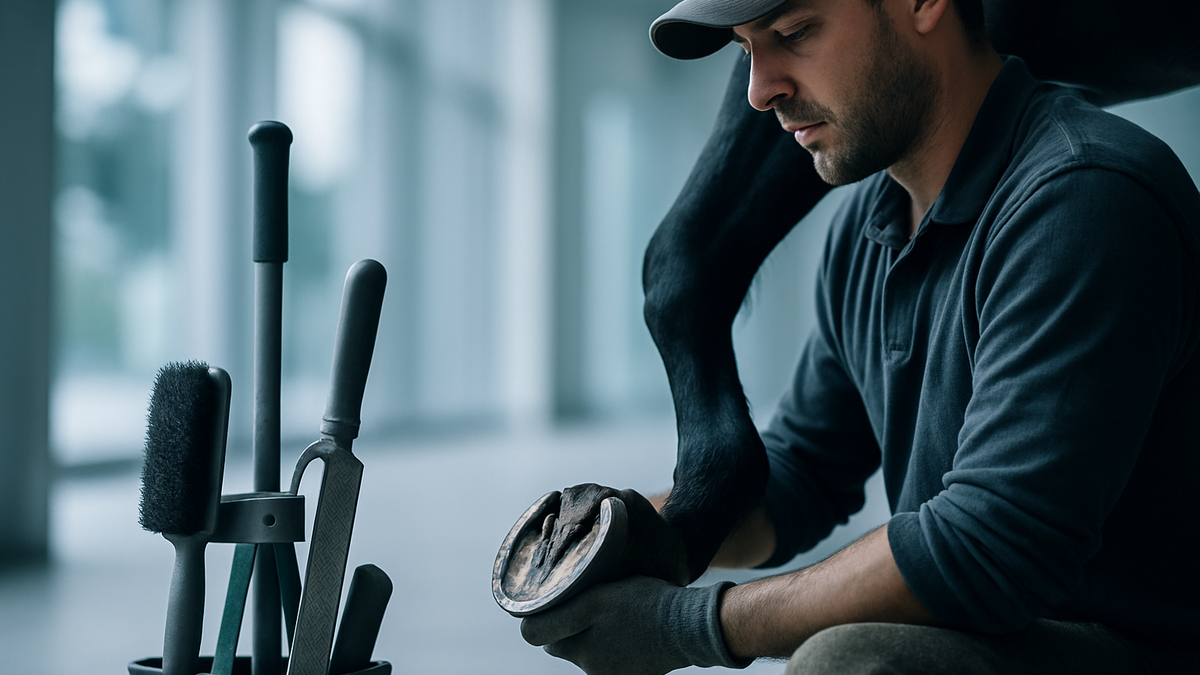
Why regular grooming matters for horse health
Grooming is far more than making a horse look tidy. It is one of the most reliable ways to monitor a horse's overall condition and catch small problems before they become serious. When you run your hands and brushes over the coat daily, you notice heat, swelling, cuts, ticks, bald patches, or changes in muscle tone that might otherwise go unseen until they cause lameness or infection. A rider who grooms attentively often spots the first signs of rain scald, girth galls, or an emerging abscess days earlier than one who skips the routine. Grooming also improves circulation and distributes natural skin oils, which supports a healthy coat and skin barrier. Beyond the physical benefits, grooming builds trust between horse and handler. The calm, repetitive contact teaches a horse to stand quietly, accept handling of sensitive areas, and associate people with comfort rather than only work. This is invaluable for safety, whether you are tacking up, treating a wound, or working with a veterinarian. Regular grooming also keeps tack-contact areas free of caked mud and loose hair, reducing the risk of rubs and sores under the saddle and girth. In short, grooming is preventive care, health monitoring, and relationship-building rolled into a single daily habit.
Essential grooming tools and their uses
A basic grooming kit does not need to be expensive, but each tool serves a purpose. The curry comb, usually rubber or plastic, is used in circular motions on the muscled parts of the body to loosen dirt, dried sweat, and shedding hair. It should never be used on bony areas or the lower legs. The dandy brush, a stiff-bristled brush, flicks away the loosened dirt raised by the curry comb. The body brush has softer, denser bristles that remove fine dust and lay the coat flat, and it is gentle enough for the face and legs. A mane and tail comb or a soft brush helps detangle without pulling out too much hair. The hoof pick is essential for cleaning the feet and often comes with a small stiff brush attached. A sweat scraper removes excess water after bathing or heavy sweating, and a clean sponge or soft cloth is useful for wiping the eyes, nostrils, and dock area. Keep separate sponges for the face and the rear to avoid spreading infection. Store tools clean and dry, and wash brushes periodically so you are not simply moving dirt and bacteria around the coat.
Step-by-step daily grooming routine
A consistent order makes grooming efficient and thorough. Always tie the horse safely or have a helper hold it, and work from a calm, predictable position. Begin by picking out all four hooves, checking each sole and frog as you go. Next, use the curry comb in circular motions over the neck, shoulders, back, and hindquarters to raise dirt and loose hair; watch the horse's reactions and use lighter pressure over sensitive or thin-skinned areas. Follow with the dandy brush in short flicking strokes in the direction of the hair to remove the loosened debris, taking care around the legs. Switch to the body brush for a final pass over the whole body, including the head and legs, using long sweeping strokes and wiping the brush on the curry comb to clear it. Gently sponge the eyes and nostrils with a damp cloth, then wipe the dock area with a separate sponge. Detangle the mane and tail carefully, working from the bottom up to avoid breaking hairs, and separate knots with your fingers first. Finish by checking the whole horse over for any bumps, heat, or wounds. The entire routine takes fifteen to twenty minutes once it becomes habit.
Understanding hoof anatomy and healthy hooves
Understanding the basic structure of the hoof helps you recognise when something is wrong. The hard outer wall is what bears weight and grows continuously from the coronary band at the top, much like a fingernail. On the underside, the sole covers most of the bottom, and the frog is the triangular, rubbery structure in the centre that acts as a shock absorber and helps with circulation and grip. The white line marks where the wall meets the sole and is an important area to keep clean, as separation there can allow bacteria in. The bars run along either side of the frog, and the collateral grooves are the natural clefts beside it. A healthy hoof has a smooth, even wall without deep cracks, a firm sole, and a well-defined frog free of foul-smelling black discharge. The foot should feel cool to the touch, and the horse should stand and move comfortably. Hoof shape and quality vary between individuals and breeds, so learning what is normal for your own horse gives you a baseline against which to spot changes such as flaring, unusual heat, or shifting weight off one foot.
How to pick out and clean hooves safely
Picking out the feet should be part of every grooming session and before and after riding. Stand beside the leg, facing the horse's tail, and run your hand down the back of the leg to ask the horse to lift the foot. Cradle the hoof in one hand and use the hoof pick with the other. Always work the pick from the heel toward the toe, moving away from the soft frog and yourself, to avoid jabbing the sensitive structures. Clear packed dirt, stones, and manure from the collateral grooves on either side of the frog and around the white line, then use the small brush to sweep the sole clean so you can see it properly. Inspect for stones lodged near the frog, cracks, punctures, or any foul smell that might indicate thrush. Set the foot down gently rather than dropping it. For the hind feet, keep your body close and be aware of the horse's balance. If a horse is reluctant to lift a foot, stay patient and avoid tugging; teaching the cue calmly is safer than forcing it. Never position yourself directly behind or in front of a leg where a sudden movement could injure you.
Signs of hoof problems to watch for
Because horses carry their weight on their feet, hoof problems quickly affect soundness and comfort. Thrush is a common bacterial infection of the frog, recognised by a black, foul-smelling discharge and softening of the tissue, and it thrives in wet, dirty conditions. Deep cracks in the wall, especially those that reach sensitive tissue or run vertically, can worsen if left unmanaged. Abscesses often cause sudden, severe lameness, heat in the hoof, and a stronger pulse felt at the back of the pastern; the horse may refuse to bear weight. Bruising can show as a reddish discolouration in the sole, sometimes after work on hard or stony ground. Laminitis is a serious condition where the horse stands with the weight rocked back onto the heels, shows heat and a strong digital pulse, and is reluctant to move; it needs urgent attention. Watch also for loose or sprung shoes, overgrown or flaring walls, and any change in the horse's gait or willingness to move. Comparing feet to each other and noting what is normal for your horse makes these warning signs much easier to detect early.
When to call the farrier or veterinarian
Routine hoof care depends on a good farrier, who should trim or shoe most horses roughly every six to eight weeks, though the interval varies with growth rate, workload, and season. Booking regular appointments keeps the feet balanced and prevents the long, flared walls that lead to cracks and strain. Call the farrier sooner if a shoe is loose, twisted, or lost, if you notice uneven wear, or if the horse is due and the feet look overgrown. Some situations, however, call for the veterinarian rather than the farrier. Sudden severe lameness, a suspected abscess that is not resolving, a puncture wound to the sole, signs of laminitis, or heat and swelling accompanied by a strong digital pulse all warrant veterinary assessment. Deep cracks that reach living tissue, persistent thrush that does not improve with cleaning and dry footing, or any wound involving the coronary band should also be checked. When in doubt, it is wiser to make the call than to wait. Farriers and veterinarians often work together on complex cases, so mentioning your concerns to both ensures the horse gets the right care promptly.
Seasonal grooming and hoof care adjustments
Grooming and hoof care shift with the seasons. In spring, many horses shed heavily, so a shedding tool or extra time with the curry comb helps remove the thick winter coat and keeps you checking the skin underneath. Muddy, wet conditions in spring and autumn raise the risk of thrush, rain scald, and mud fever, so keep feet clean and dry, pick out hooves diligently, and avoid leaving damp, dirty legs to fester. In summer, watch for insects, sweat build-up under tack, and dry, brittle hooves that can crack in hard ground; regular grooming after work removes sweat and dust, and cleaning the sheath or udder area may be needed. Bathing is more practical in warm weather, but rinse thoroughly and scrape off excess water. In winter, coats grow long and mud accumulates, so allow extra grooming time and dry legs well; picking out feet becomes especially important when horses stand in wet paddocks or on frozen, uneven ground. Snow can ball up in the feet, so check regularly. Throughout the year, keep an eye on how footing and weather change hoof moisture and wear, and adjust your farrier schedule and daily attention accordingly.
Example
Common grooming tools and their main uses
| Tool | Main use | Where to use it |
|---|---|---|
| Curry comb | Loosens dirt and shedding hair, boosts circulation | Muscled body areas; avoid bony spots and legs |
| Dandy brush | Flicks away loosened dirt and mud | Body and upper legs, in the direction of hair |
| Body brush | Removes fine dust, lays coat flat | Whole body, face and legs |
| Mane and tail comb | Detangles without breaking hair | Mane and tail, working bottom to top |
| Hoof pick | Clears dirt and stones from the foot | Sole, frog grooves and white line |
| Sweat scraper | Removes excess water or sweat | Large body areas after bathing or work |
| Sponge or soft cloth | Wipes sensitive areas | Separate ones for face and dock |
FAQ
How often should I groom my horse? A quick daily groom is ideal, especially picking out the hooves before and after riding. Even on non-riding days, a short session lets you check for injuries, heat, or skin issues and keeps the horse comfortable and used to handling.
How do I clean hooves without hurting the horse? Work the hoof pick from the heel toward the toe, moving away from the soft frog and yourself. Clear the grooves on either side of the frog and around the white line, then brush the sole clean and inspect it. Never jab at the sensitive frog or sole.
How often does a horse need the farrier? Most horses are trimmed or shod roughly every six to eight weeks, though the interval depends on growth rate, workload, and season. Call sooner if a shoe is loose or lost, the feet look overgrown, or wear is uneven.
What are the signs of thrush and how is it prevented? Thrush shows as a black, foul-smelling discharge and softening around the frog. It thrives in wet, dirty conditions, so prevention means picking out the feet daily, keeping bedding and footing clean and dry, and treating any early signs promptly.
When should I call a vet instead of a farrier for a hoof problem? Call the vet for sudden severe lameness, suspected abscesses that are not resolving, puncture wounds to the sole, signs of laminitis such as heat and a strong digital pulse, or any wound involving the coronary band. When in doubt, it is safer to make the call.
Read next
Read more